Carley Font for Campaign Creatives
It was 3:45 PM, and I was finalizing the visual assets for a seasonal sale campaign. The client wanted something that felt warm, inviting, and just a touch luxurious. As I pulled up the latest design mockup, I spotted a line of text in Carley—a romantic and sweet calligraphy typeface that seemed to whisper elegance into every character.
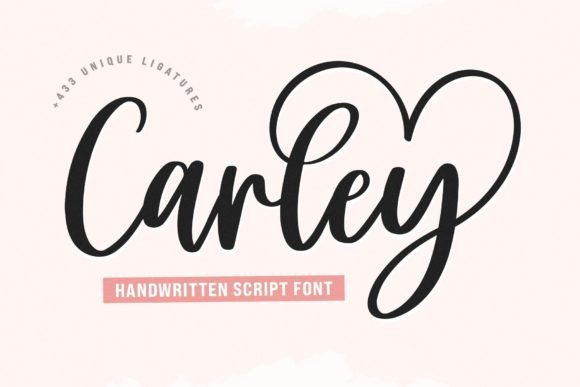
Carley is a script font with a soft, flowing energy. Each letter dances along the baseline with a delicate grace, giving it a handcrafted feel without sacrificing legibility. It’s the kind of font that feels like a handwritten note from a friend, but with the polish of a premium display typeface. This makes it ideal for brand campaigns that want to evoke intimacy, creativity, and a sense of personal connection.
Elegance in Motion: Carley in Social Media Graphics
For the Instagram posts, I used Carley as the headline for the sale announcement. It immediately drew attention and created a sense of urgency without being over-the-top. When paired with a clean sans serif font for supporting text, the contrast made the message clear and visually balanced.
I also tested Carley on Pinterest pins for the same campaign. The font worked well against light backgrounds, especially when layered with subtle textures. On dark backgrounds, it still maintained its charm, though I added a slight stroke to the letters for better visibility. Carley’s curves and flourishes gave the pins a unique aesthetic that stood out in a sea of generic promotional content.
For YouTube thumbnails, I used Carley for the title text. Even in small previews, the font retained enough detail to be readable. It helped the thumbnails feel more personal and engaging, which is crucial for click-through rates on platforms where users scroll quickly.
Carley in Digital Ads and Website Banners
In digital ad layouts, Carley performed well as a headline font. Its romantic style complemented the campaign’s theme perfectly. I found that using it in combination with a modern sans serif font for body copy created a harmonious balance between emotion and clarity.
On landing pages, Carley was used sparingly—mainly for hero headers and callout sections. It added a touch of sophistication without overwhelming the user. However, I made sure not to use it for long blocks of text, as the script style can become difficult to read in extended formats.
When designing email banners, I noticed that Carley had a nice impact on open rates. The font’s personality made the subject lines feel more personal and approachable, which aligned well with the campaign’s goal of creating a sense of community and trust.
Practical Tips for Using Carley Effectively
Carley works best for short headlines, decorative titles, and logo-style text. It adds a creative flair that can elevate your campaign visuals, but it’s not suited for dense information or tiny text sizes. For mobile screens and fast-scrolling feeds, I recommend keeping the text size large enough to maintain readability while preserving the font’s elegant style.
Font pairing is key when using Carley. A clean sans serif font like Helvetica Neue or Montserrat complements its organic flow beautifully. If you’re going for a more traditional look, pairing it with a serif font such as Garamond or Playfair Display can add depth and refinement.
Before integrating Carley into any campaign, make sure to check the available styles, alternates, ligatures, and weights. Also, verify that the font supports the necessary languages and has proper commercial licensing if you plan to use it in ads, templates, or branded content.
Carley’s PUA encoding allows for easy access to special characters and stylistic variations, making it versatile for creative projects. Whether you're designing a quote graphic, webinar banner, or course launch teaser, this font brings a unique charm that can enhance your brand’s visual identity.
Ultimately, Carley is more than just a font—it’s a design tool that can help you create memorable and emotionally resonant campaign visuals. Used thoughtfully, it can turn simple messages into powerful statements that capture attention and drive engagement across multiple platforms.